

High blood pressure (hypertension) is sneaky. Most people feel totally fine while their arteries are under pressure. That’s why knowing how to check your blood pressure at home — and doing it right — matters. Plus, it makes your doctor happy, saves you stress, and can change how you manage your health.
Who Should Check It at Home
- Anyone diagnosed with high blood pressure. It helps you and your PCP determine whether treatment is working.
- People who have just started or have changed blood pressure meds. Early feedback matters.
- Those with risk factors for hypertension (e.g., diabetes, kidney issues, family history).
Even if you don’t have hypertension, regular checks can help catch it early because it often has no symptoms
Understanding the Numbers
Blood pressure is recorded as two numbers (and both matter):
- Systolic (top number): pressure when your heart pumps.
- Diastolic (bottom number): pressure when your heart rests between beats.
What do they mean?
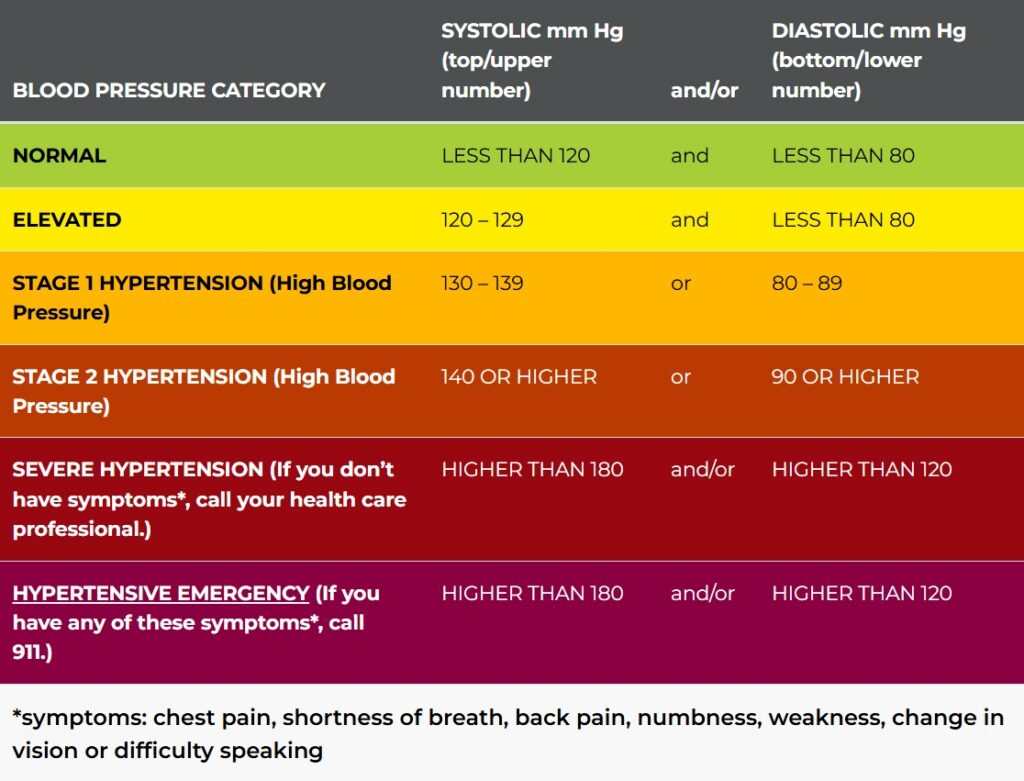
A single high reading isn’t a diagnosis. Blood pressure fluctuates throughout the day. But consistently elevated readings should prompt action.
Getting Accurate Readings at Home
Here’s where most people go wrong and why some DIY readings are about as useful as guessing your dog’s age in human years.
Choose the right monitor
- Always pick an automatic upper-arm cuff monitor. Wrist and finger devices are less reliable.
- Make sure the cuff fits properly. Too small = falsely high; too big = falsely low.
- Buy a validated monitor. Ask your provider or check a list from validatebp.org.
Your PCP may ask you to bring your monitor in to compare readings side by side with their calibrated office equipment. This ensures your device is trustworthy.
Best techniques for reliable numbers
- Sit still for 5 minutes before measuring.
- No caffeine, smoking, exercise, or big meals 30 minutes before.
- Use your bare arm, with no clothing between the cuff and your skin.
- Put your feet flat on the floor, have your back supported, and your arm at heart level.
- Take 2 readings, 1-2 minutes apart, and record both.
What to Make of Your Blood Pressure Results
- Normal: keep the healthy habits rolling and check again per your PCP’s recommendations
- Elevated: work on simple lifestyle tweaks and re-check
- Stage 1 or 2: share trends with your PCP, as treatment may be needed
- Very high readings (ex,>180/120): retest after a minute; if still high, contact your PCP or call emergency services if symptoms are present
Remember, one snapshot is just that: a moment in time. A series of readings tells the real story.
Is home monitoring worth your time? Yes, here’s why…
- More accurate baseline than office readings. Some people spike in a doctor’s office (aka the white-coat effect).
- Shows trends over time, not just one freak reading.
- Boosts engagement. Patients who track their blood pressure usually manage it better.
- Helps guide medication needs and lifestyle changes.
Measuring your blood pressure at home isn’t difficult, but it does require consistency, proper equipment, and correct technique to be useful. Done right, it gives you the power to manage your health instead of hoping for the best.